
Last updated November 18, 2026
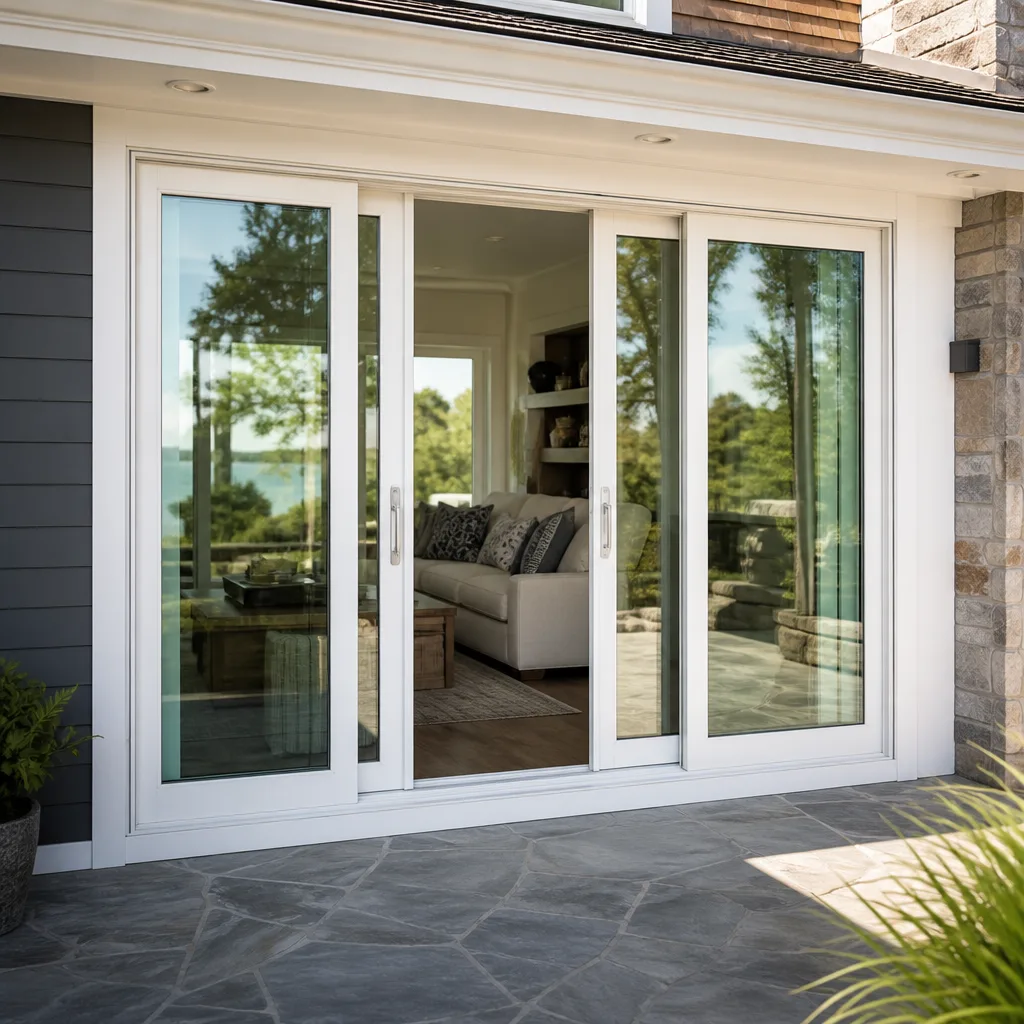 Sliding glass doors
 Single hung
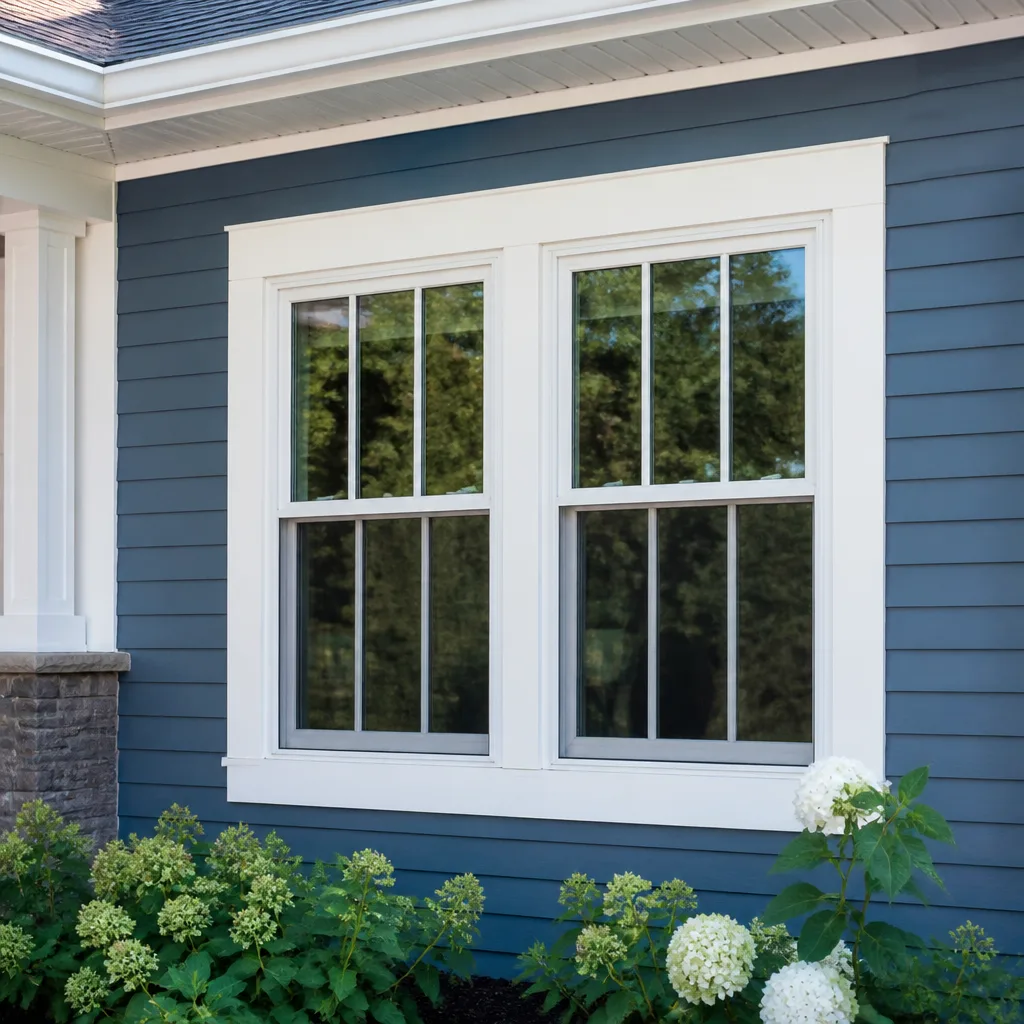 Double hung
 Horizontal roller
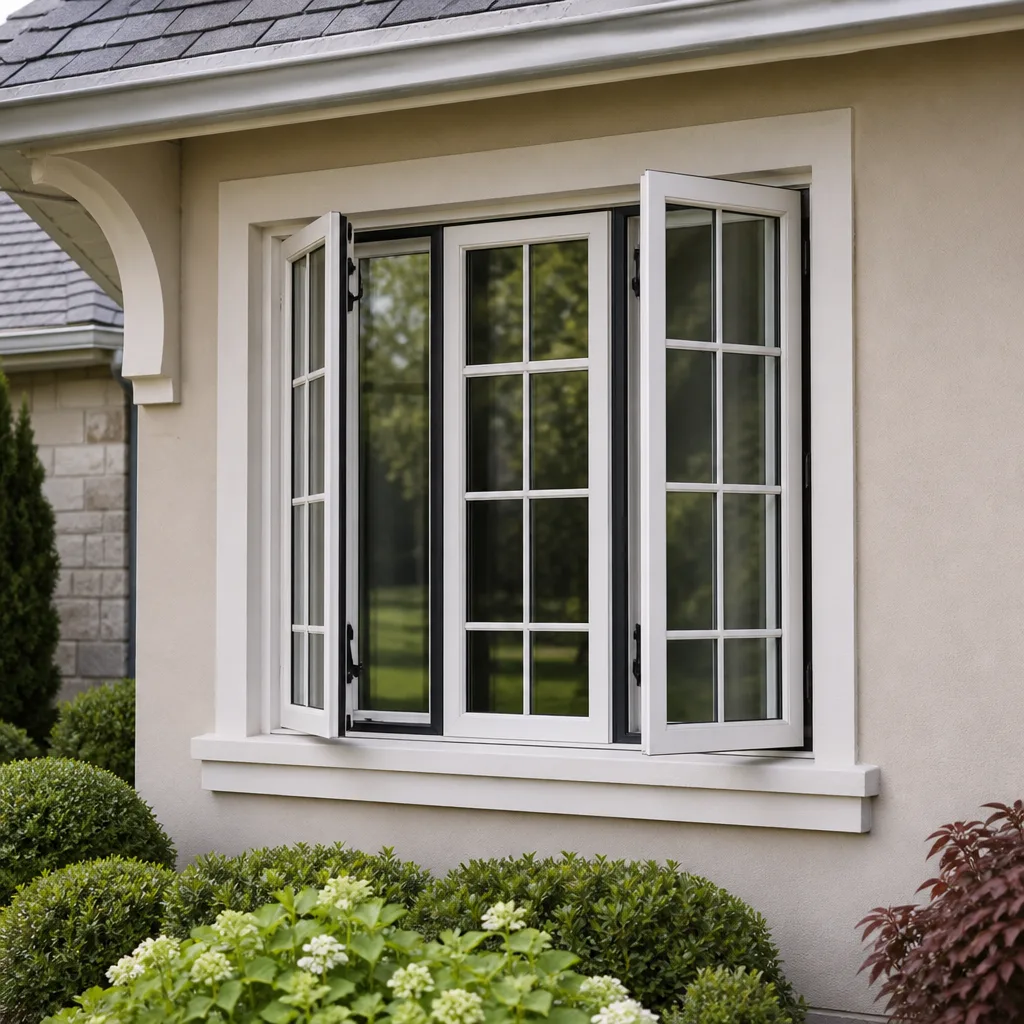 Casement
 Bay & bow
 Entry doors
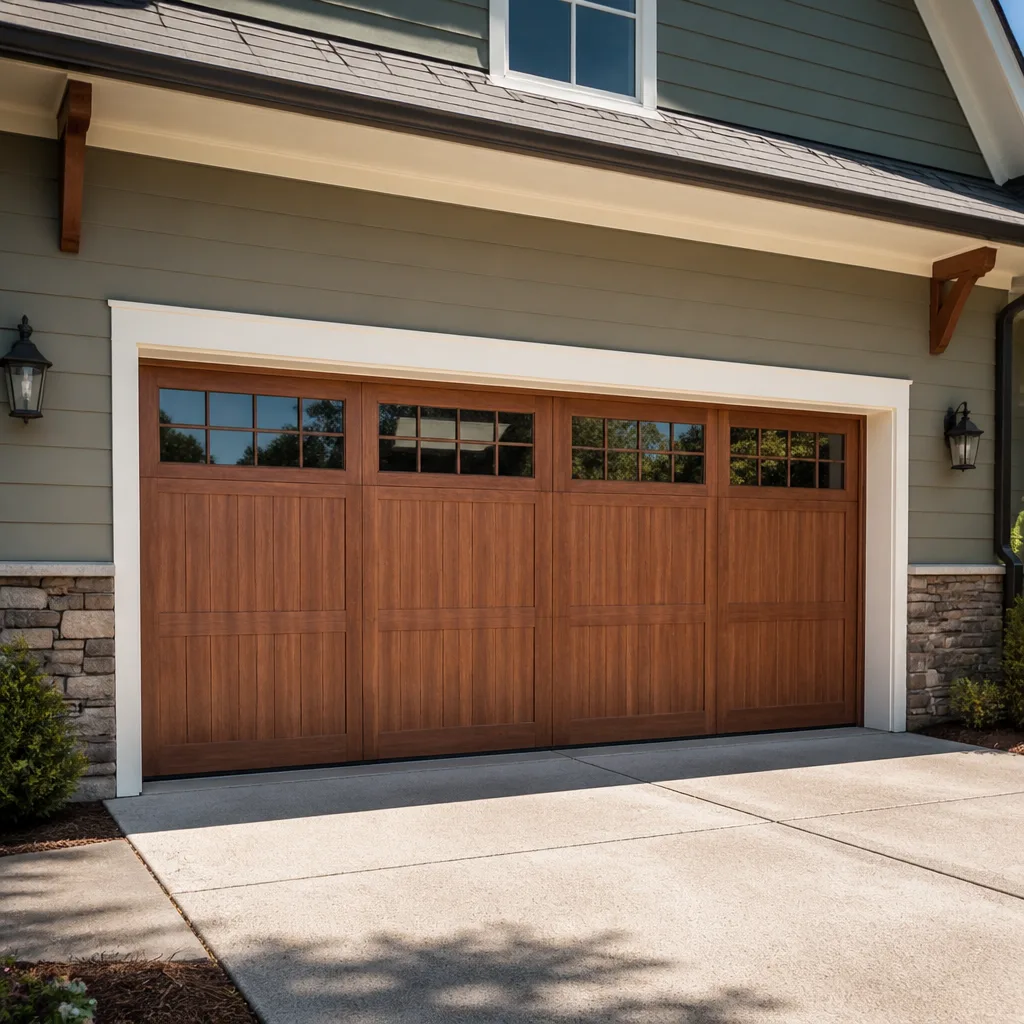 Impact garage doors
 PGT
 CGI
Free in-home measure and quote - PGT, CGI and CWS impact lines compared on your actual openings, style by style
Get your free estimateSeasonal Windows & Doors Care for Henderson: Year-Round Homeowner’s Guide
Most home maintenance calendars are written for a place with four seasons. Henderson doesn’t have four seasons. It has heat onset, monsoon, and a long dry stretch that people from colder climates mistake for easy weather. That mismatch costs homeowners real money. A window or door that would coast through a normal spring-fall routine here gets hammered between June and September, when exterior temperatures push past 110 and a single monsoon cell can drop a month of rain in an hour. This guide lays out the care rhythm that actually fits a Henderson house, task by task and month by month, with the specific checks that matter before the heat, after the storms, and on the cold mornings that show up in January.
Styles & brands we work with
- Single hung
- Double hung
- Horizontal roller
- Casement
- Bay & bow
- Sliding glass doors
- Entry doors
- Impact garage doors
- PGT
- CGI
Quick Answer
Seasonal window and door care in Henderson runs on three anchors, not four: a pre-summer heat-prep pass in May that covers screens, low-E glass performance, and frame expansion gaps before triple-digit heat arrives; a monsoon audit from July through September focused on door thresholds, weatherstripping, and drainage points; and a winter seal and condensation check in December and January that separates normal desert condensation from a failed insulated glass unit. Slide the effort to those windows and your windows and doors will hold up far longer than a generic calendar suggests.
Table of Contents
- Why a Standard Maintenance Calendar Gets Henderson Wrong
- Pre-Summer Checklist: Heat Prep Before June
- Monsoon Season Door and Threshold Audit
- Post-Summer Sealant and Glazing Inspection in September
- Winter Condensation: Normal Fog or a Failed Glass Unit
- Annual Hardware Service for Sliding Doors in a Dust-Heavy Climate
- Which Lubricants to Use and Which to Avoid
- Common Mistakes to Avoid
- When to Call a Professional
- Frequently Asked Questions
Why a Standard Maintenance Calendar Gets Henderson Wrong
If you’ve spent twenty years in your house, you already know the pattern. The first 100-degree day usually lands in late May or early June. Then the monsoon builds through July, throwing dust storms and short violent rain events that arrive sideways and hit exactly the surfaces a vertical window or door wasn’t designed to defend against. By October the storms are gone, the heat breaks, and the damage that happened silently shows up as a hairline crack in a sealant bead or a fog patch inside a pane.
The four-season calendar borrowed from the Midwest doesn’t map to that. It tells you to caulk “before winter” – which here means after the damage is done. It tells you to clear gutters in autumn, when the leaves that matter are from desert trees that don’t drop much at all. And it never accounts for the single biggest driver of window and door wear in Henderson: solar heat gain. A west-facing slider in Green Valley takes more thermal punishment in one July afternoon than a comparable window in a mild climate takes in a season.
So we’ve found it useful to think of the year as three maintenance anchors instead of four seasons:
- Pre-summer heat prep (April through May): screens, glass performance checks, and frame expansion gaps before the heat locks in.
- Monsoon recovery (July through September): thresholds, weatherstripping, and infiltration points, checked after each storm cycle.
- Winter seal verification (December through January): exterior sealant, glazing compound, and condensation reading.
Everything else is routine hardware service, which in a dust-heavy climate like Henderson’s runs on an annual cadence whether or not a season change prompts it. Our technicians have up to 18 years of experience, and the pattern is consistent across the Henderson neighborhoods we work: west-facing openings age fastest, north-facing ones last longest, and the properties on the edges of the valley see more dust-driven wear than ones tucked against the toes of the foothills.
Pre-Summer Checklist: Heat Prep Before June
The pre-summer pass is the most important maintenance window of the Henderson year. Get it done in April or May and you address heat-related failures before they start. Skip it and the first triple-digit week tends to expose everything at once – binding doors, cracked seals, and hot rooms that cost real money to cool.
Here’s the checklist we recommend, in order:
- Screen inspection. Spline, mesh, and frame condition. In Henderson, nine years of sun bakes spline into a brittle strip that fails the first time a monsoon gust pushes on it. Check that mesh hasn’t stretched or pulled from the frame. A dull, gray mesh that no longer reflects light has lost its coating and is letting in more UV than a fresh one. Screens aren’t cosmetic here; on a west-facing window they cut solar gain meaningfully.
- Low-E performance verification. Low-E coatings on your glass are designed to reflect solar heat. They degrade slowly in high-UV climates. The simple read: stand inside on a sunny afternoon and hold your hand close to the glass. If the interior surface is hot to the touch even when the coating is supposed to be stopping that heat, the coating may be losing effect. On a properly functioning low-E unit the trapped heat stays out and the inside pane stays noticeably cooler than the outside pane.
- Frame expansion gap check. Vinyl expands and contracts more in Henderson’s temperature swing – cold desert mornings to 110-degree afternoons – than in milder climates. That expansion has to have somewhere to go. Check the reveal between frame and drywall inside a few windows and doors. Binding – where a door no longer sits square in its frame or a slider drags at the end of travel – usually points to an expansion gap that was too tight when it was installed or has since closed up. This is one of the reasons we set expansion gaps carefully on every install; it’s the difference between a door that still closes in July and one that doesn’t.
- Exterior sealant walk-through. Walk the outside of every window and door and look at the bead of sealant where the frame meets stucco. Henderson stucco cracks and ages, and the sealant line is the first place it shows. Any bead that has pulled away, dried to a brittle shell, or turned chalky gets flagged.
- Weep hole clearance. Make sure the small drainage slots at the bottom of sliding window and door frames are clear. Dust collects in them all year and blocks drainage.
If you live in Green Valley, McCullough Hills, or down toward Lake Las Vegas and your home was built in the 1990s or early 2000s, the sealant and glazing compound on the exterior is likely in its second full lifecycle. That’s worth knowing going into the heat. We’ve seen plenty of Henderson homes built in that era where the original builder-grade sealant has dried and shrunk enough to leave a hairline gap you can’t see in the shade but that opens up in full sun.
Monsoon Season Door and Threshold Audit
Henderson’s monsoon season – usually early July through September – delivers less total rain than the storms of other climates, but it does something else: it throws rain sideways with wind, dumps it fast, and drops grit and debris along with it. The result is that the water intrusion points on a door are not the ones a heavy-rain climate would tell you to look at. Driving rain gets pushed against the bottom sweep and the side weatherstripping rather than falling straight down. The audit needs to account for that.
What to inspect after each storm cycle, and again at the end of the season:
- Door threshold and door sweep. The sweep – the strip along the bottom of the door – is what keeps driving rain and dust out. In Henderson’s dust-heavy environment it wears faster than most homeowners expect. Run a hand along the bottom of a closed door and check for daylight or a gap. If the outside is wet and the threshold is damp inside, the sweep isn’t sealing.
- Weatherstripping at the jamb and header. Look for compression set – where the strip has taken a permanent flat shape and no longer springs back to seal against the door. Also check for glazing or grit embedded in the strip; blowing desert grit abrades weatherstripping over time.
- Corner and threshold infiltration points. Monsoon-driven rain often finds the corners first. Check inside the frame corners of every exterior door after a storm for any dampness or staining. Where stucco meets the threshold outside, check that caulk line too. This is where the water gets in when the season catches up to a 15-year-old bead of sealant.
- Threshold and patio door track drainage. Sliding patio doors have weep channels built into the track. After a storm, check that any water that does enter the track is draining out through the weep holes rather than pooling. Pooling water in a track is the beginning of sill damage and, eventually, framing rot.
- Interior door movement. Doors that stick in July and free up in October are telling you something – either frame expansion or moisture uptake in a wood door. In Henderson, wood components can swell during monsoon humidity even in a desert climate.
One note for long-time Henderson homeowners: the door that bind worst in monsoon season is often the one that was installed with an expansion gap too tight for the temperature and humidity swing. If a single door has been sticking every summer for a decade, hardware adjustment won’t fix it – the door needs re-hanging or replacing. That’s a job worth doing right the first time. But if it’s simply worn weatherstripping or a failed sweep causing water infiltration, that’s repair work that shouldn’t wait past the season. Call (833) 842-6670 for a free estimate and we’ll tell you straight whether the seal or the door is at fault.
Post-Summer Sealant and Glazing Inspection in September
September is the month when thermal damage becomes visible. All summer the exterior of your windows and doors has cycled through daily temperature swings, and the sealant and glazing compound – the materials that keep water out and glass in place – have taken the hit. The heat softens and degrades them, then the thermal swing flexes them. By the end of September the failures are showing.
Here’s what to inspect, and what you’re looking for:
- Exterior sealant line at every window and door. Check the caulk bead where the frame meets the exterior wall surface. Look for cracking, separation, dried-out texture, or a visible gap between the bead and the frame or the wall. Cracks in a sealant bead in Henderson are almost always heat cycles rather than age alone – the material hasn’t been worn out, it’s been thermally worked until it cracked.
- Glazing compound or setting blocks around each pane. On older windows, the compound that holds glass in a wood or steel sash will show brittleness and cracking after a hot summer. A hairline crack in a glazing bead is a water pathway and a wind pathway – both matter.
- Pane edges and corner seals on insulated glass units (IGUs). Look at the perimeter where the glass meets the frame spacer. Any visible crack or discoloration at the edge means the unit’s seal is compromised. This is often where the fogging that shows up in winter starts.
- Window and door frame inspection for signs of sun damage. Vinyl that has yellowed or chalked, wood that has dried, checked and cracked on the sun-facing side, and any painted surface that is peeling are all calls to address the frame. In Henderson the south and west faces age fastest, so if you’re going to inspect one side, start there.
- Weep channel and track condition. Clear out the grit and dust that monsoon dropped in.
Timing matters for repair. Sealant that has cracked in September still has cool months ahead to be addressed. Caught in October, a repair is straightforward. Missed until the next summer, you’re paying for a sealant repair and possibly water intrusion damage behind it. If you’d rather not climb a ladder and inspect beads on a second-story window, our team at TruePane Windows & Doors Henderson does that as part of a seasonal check. Call (833) 842-6670 to set one up.
Winter Condensation: Normal Fog or a Failed Glass Unit
Henderson’s winter mornings catch homeowners off guard. It gets cold enough – mid-30s to low 40s on many mornings – that condensation forms on the inside glass. For the wrong reason, that often triggers a call. Knowing the difference between normal condensation and a failed insulated glass unit can save you a replacement quote you don’t need.
Here’s how to tell them apart:
- Inside condensation (normal). Water beads on the room-side glass surface. This is moisture in the air meeting cool glass. In winter it usually means interior humidity is high – cooking, showers, and winter-tight home sealing do this. It should clear as the morning warms and the room airs out. It’s a comfort signal, not a failure signal. Wiping the glass dry and running the vent fan a bit more usually handles it.
- Inside the glass unit (failed unit). Fog, a cloudy patch, or water droplets appear between the two panes of the insulated glass unit – in the sealed space, not on either surface. You can’t wipe it off. This is a failed insulated glass unit. The seal that held the dry gas between the panes has failed, letting moisture in. A failed IGU has lost most of its insulating value, so it’s a performance problem and a comfort problem. It will not fix itself.
- The tell that removes the doubt. If you can’t tell whether the fog is inside or outside the glass, run a fingernail or a key lightly across the surface where the fog appears. Inside condensation wipes away on the surface. In-unit fog you’re touching clean glass with fog trapped under it.
One Henderson-specific wrinkle: a glass unit that failed early in the summer doesn’t always fog immediately. The fog shows up in the first cold morning of winter because the temperature differential finally drives moisture to condense. A window fogging for the first time in January may have been failing since July. That’s why we recommend reading condensation patterns in the winter alongside a September sealant check – the two together tell a much more accurate story about the health of the window than either alone.
If you see fog between the panes, don’t wait on a repair. A failed unit is a window replacement candidate, but it’s often a small job – one pane or one unit – and the earlier you catch it the fewer windows it tends to affect. Call (833) 842-6670 for a free estimate on replacement.
Annual Hardware Service for Sliding Doors in a Dust-Heavy Climate
Sliding doors ask more of their hardware in Henderson than in almost any other climate. The tracks collect desert dust, which turns into an abrasive paste the moment it mixes with the light monsoon moisture. The rollers take the load of a door panel that weighs between 60 and 200 pounds or more, depending on size and glass. And the guide tracks, which keep the door tracking straight, wear against the grit in a way that eventually makes the door drag or jump out of its channel.
The annual hardware service cadence for a sliding door in Henderson:
- Clean the track first. Vacuum out dry grit and dust before doing anything else. A dry brush and a vacuum nozzle along the track gets the majority of the wear-causing material before you lubricate.
- Inspect the rollers. On a sliding door, the rollers are usually accessible by lifting the door slightly and tipping it out of the track – but that’s job-specific and the door panel is heavy, so if it doesn’t come out easily, don’t force it. Roller replacement on a large glass slider is a two-person job with lifting equipment. Check for flat spots on the wheels, wobbling rollers, and any roller that no longer spins freely.
- Lubricate the rollers and the track contact points sparingly. The right lubricant here matters (see next section). A dry-film lubricant on the roller axles and a very light application at the track helps the door track smoothly without attracting new grit. Grease and oil in a dust climate are counterproductive – they trap grit and make the wear worse.
- Adjust the door height and alignment. Sliding door hardware has adjustment screws or a roller-height setting. A door that’s dragging at the top or bottom can be lifted a few millimeters to free it. This is where a binding slider gets fixed instead of replaced.
- Check the lock and handle hardware. Handles and latches that have lost their spring or shimmy loose need tightening or replacement. Loose locks let water in through the screw holes and can eventually shear the handle off in a storm.
Dusty Henderson locations – homes near open desert, along the edges of the foothills, or along the 215 where construction dust moves – need the track cleaning more than once a year. If you’ve got a sliding patio door that faces the afternoon sun and the wind direction of the afternoon dust storms, add a mid-summer cleaning to the calendar. It’s a 20-minute job that saves the rollers.
Which Lubricants to Use and Which to Avoid
Not all lubricants are created equal in a dust environment. This is the question that gets the least attention and probably costs Henderson homeowners the most in worn hardware.
Use:
- Dry-film PTFE (Teflon) lubricants. These go on wet and dry into a thin film that doesn’t attract dust. Ideal for rollers, track contact points, and the inside of a door lock cylinder.
- Silicone spray (light application). Works well on rubber weatherstripping and door gaskets to keep them supple and flexible through the dry season. Spray onto a cloth first, then wipe onto the rubber – don’t spray silicone directly into a track where it will pool and collect grit.
- Lithium grease – only inside lock cylinders and hinge pins. It’s the right lubricant in an enclosed metal-on-metal joint where dust can’t reach. Never in a door track or at a roller contact point.
- Graphite for lock cylinders. Dry, dust-resistant, doesn’t gum up in a desert climate.
Avoid:
- WD-40 in door tracks and on rollers. It’s a solvent and lubricant, and in a dust climate it makes a sticky film that turns a roller into a wear point. Fine on a hinge pin, wrong in a track.
- General-purpose oil or motor oil. Attracts dust and gum, then gum turns into a stiff, brown mess – one of the most common causes of a stuck sliding door in a dusty environment.
- Grease-spray products on window tracks or sliding door tracks. Same problem, worse.
- Anything labeled “heavy-duty” in an exposed sliding door track. One of the most common mistakes we’ve seen at Henderson homes – a well-intentioned homeowner lubes the track with a heavy product and three months later the door is seized up in the summer heat.
Use sparingly, wipe up excess, and clean before you lubricate – never lubricate onto grit. If you’re not comfortable with which product to use on which part, ask us. Call (833) 842-6670 if you’d rather have a qualified technician handle the annual hardware service on a sliding door; our standard repair and tune-up pricing applies, and we’ll tell you before we start what the job will cost.
Common Mistakes to Avoid
- Treating Henderson’s climate like a four-season climate. If you’re following a calendar that tells you to caulk “before winter” and clear gutters in October, you’re doing the right tasks at the wrong time. The task calendar that keeps a Henderson window healthy is anchored to heat and monsoon, not equinoxes.
- Caulking over a wet or dirty bead. Sealant won’t adhere to dust or moisture, and monsoon-dried dust on a stucco surface is a lot of both. The right way is clean, dry, then caulk. The wrong way – over the top of an existing bead without removing the old one – usually produces a new failure in under a year.
- Lubricating a sliding door track with WD-40 or heavy grease. It’s the single most common reason a sliding door starts binding in Henderson. In a dust climate, the wrong lubricant is worse than none. Dry-film products only.
- Ignoring a small crack in a glazing bead. That hairline crack in the perimeter glazing or sealant is a water intrusion path. Catch it in October, repair it is a minor cost. Miss it and by the next summer the water has done damage inside the frame.
- Assuming all fog is condensation. If you wipe the inside of the glass and the fog stays, it’s between the panes – a failed insulated glass unit. Treating it as condensation and waiting is a window replacement delayed, and sometimes more than one unit affected by the time you act.
- Skipping the interior expansion-gap check. A binding door or a slider that drags at the end of travel is not usually a hardware problem. It’s an expansion-gap-tight frame reacting to Henderson’s temperature swing. Adjusting the door hide the symptom temporarily; understanding the frame problem is the actual fix.
- Assuming the manufacturer warranty only needs a receipt. A manufacturer warranty isn’t in force until it’s registered with the manufacturer – and on most window and door lines there are two layers: the manufacturer’s product warranty and the installer’s workmanship warranty. Voided installs and unregistered warranties are invisible to most homeowners until they need them. When we install or replace, we register both layers in writing before we leave the property, with the durations stated. If a warranty document is missing from your file, call (833) 842-6670 and we’ll tell you what’s likely to be on record.
When to Call a Professional
Some of this guide is work a careful homeowner can do: cleaning a sliding door track, spraying silicone onto weatherstripping, wiping a window dry. But several tasks in a Henderson seasonal cycle cross into professional territory for good reasons.
Call a professional when the glass has fogged between the panes (failed insulated unit), when a door threshold shows water infiltration inside after a storm cycle, when a sliding patio door is binding or jumping the track and the roller adjustment doesn’t free it, when exterior sealant or glazing compound failures span multiple windows, or when a window shows frame cracks or bowing consistent with expansion gap problems. Insulated glass replacement, sliding door roller replacement on heavy panels, and any work above the ground story involves real risk – a heavy glass unit can drop and injure someone, and a two-story exterior inspection should be done with proper fall protection. We work in ways that put safety first and are careful not to hand DIY repair instructions to someone standing on a ladder who shouldn’t be.
TruePane Windows & Doors Henderson offers free estimates in Henderson – call (833) 842-6670 and we’ll tell you straight what needs doing and what can wait until next season. We install, replace, and service windows and doors across Henderson and we’re an authorized installer for manufacturers including CGI, ES Windows, and CWS. Our technicians have up to 18 years of experience and each job is covered by the 90-Day Done Right Promise and the Keystone Standard.
Frequently Asked Questions
Once a year for hardware service and track cleaning is the baseline. Homes in dust-heavy Henderson locations – near open desert, along wind-exposed foothill edges, or close to active construction – benefit from a mid-summer track cleaning added to the annual pass. Glass performance, sealant, and weatherstripping get inspected on the seasonal calendar above, not the annual hardware one.
Inside condensation on the room-side glass is normal in winter and usually means your interior humidity is a bit high. Fog between the panes is not normal, and it means a failed insulated glass unit. If the fog won’t wipe off, the unit needs replacing. Call (833) 842-6670 for a free estimate on replacement.
Four things. First, screens – check spline condition and mesh integrity. Second, low-E performance – hold a hand near the inside of a sunny window; if the glass feels hot, the coating may be losing effect. Third, frame expansion gaps – check inside reveals for binding or separation. Fourth, sealant beads at the exterior – look for cracks or separation at the frame-to-wall joint. That order gives you the best chance of catching heat-related problems before June.
If the bead of exterior sealant has cracked, dried to a brittle shell, turned chalky, or separated from the frame or the wall, it needs replacement. Small surface cracks can appear in the first year; the real failure signal is a gap between the bead and the surface it’s supposed to seal. In Henderson, sealant that has been through two or three full summers should be inspected closely at every yearly pass.
A track cleaning often cures a binding door – if the roller still spins freely and the door hasn’t been dragging long enough to wear the roller. If the door wobbles at the roller, drags hard after cleaning, or the roller has flat spots, it’s a replacement. Roller work on heavy glass panels is a two-person job. Call (833) 842-6670 for a free estimate and we’ll tell you whether it’s a repair or a replacement.
Expansion. Vinyl and wood door components expand as summer heat drives the temperature past 110 and shrink again in fall. If a door is catching at one edge or dragging at the bottom in July, the frame has closed up against it – either an expansion gap set too tight at the time of installation, or a hardware issue. That’s a job worth evaluating by a technician; a door that’s stuck every July for a decade probably needs more than a hardware adjustment. Call (833) 842-6670 for a free estimate and we’ll give you an honest answer.
The Bottom Line
Seasonal window and door care in Henderson isn’t the four-season routine. It’s heat prep in April and May, monsoon audits through July and September, and a winter seal and condensation check in December and January, with a clean-and-lubricate hardware pass once a year on the sliding doors. The specific checks that matter are screens and low-E before the heat, thresholds and weatherstripping through monsoon, and sealant beads in September, when the thermal damage shows. Get those right and you avoid the most common failures we see in Henderson homes. If you’d rather have someone who has worked these neighborhoods for years take a look, call (833) 842-6670 for a free estimate. Estimates are free, pricing is upfront, and if it’s the right call to wait until next season, we’ll say so.
Written by the team at TruePane Windows & Doors Henderson.
See the difference
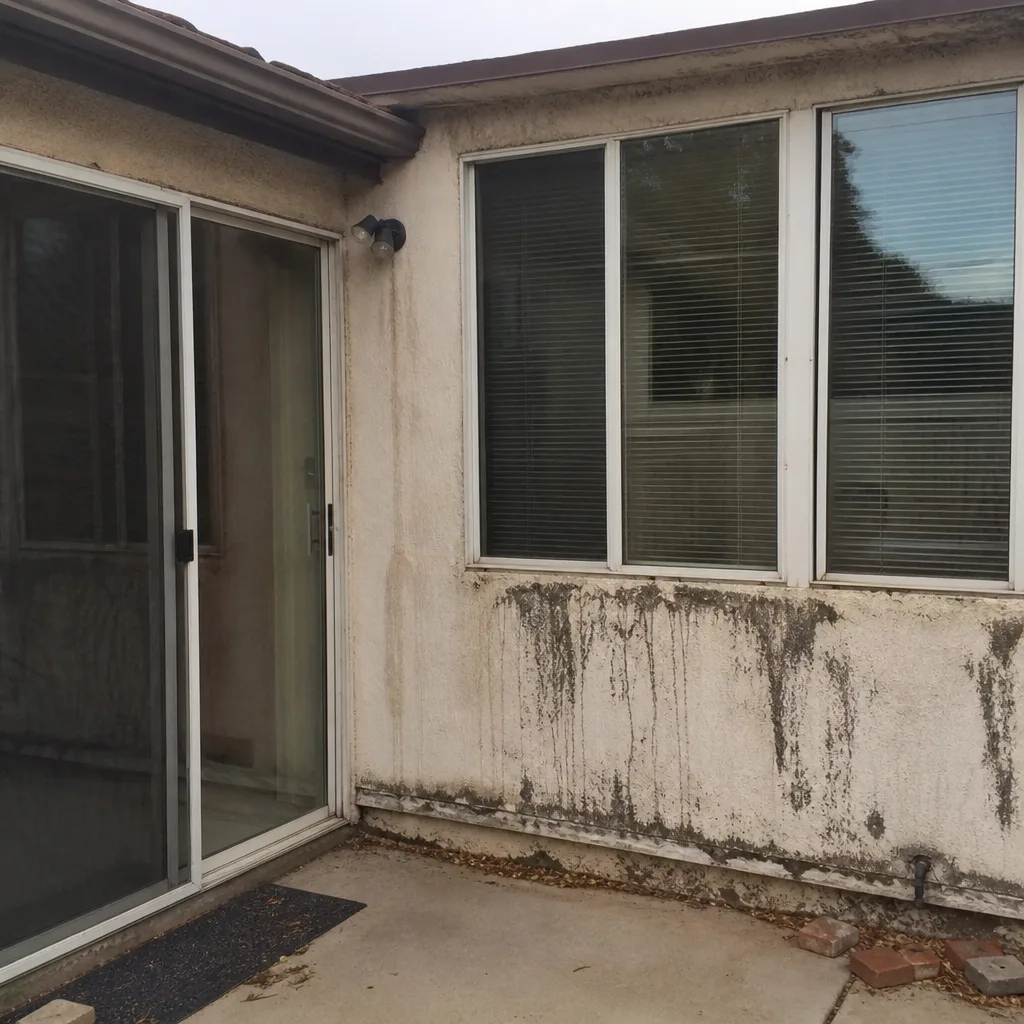 Before
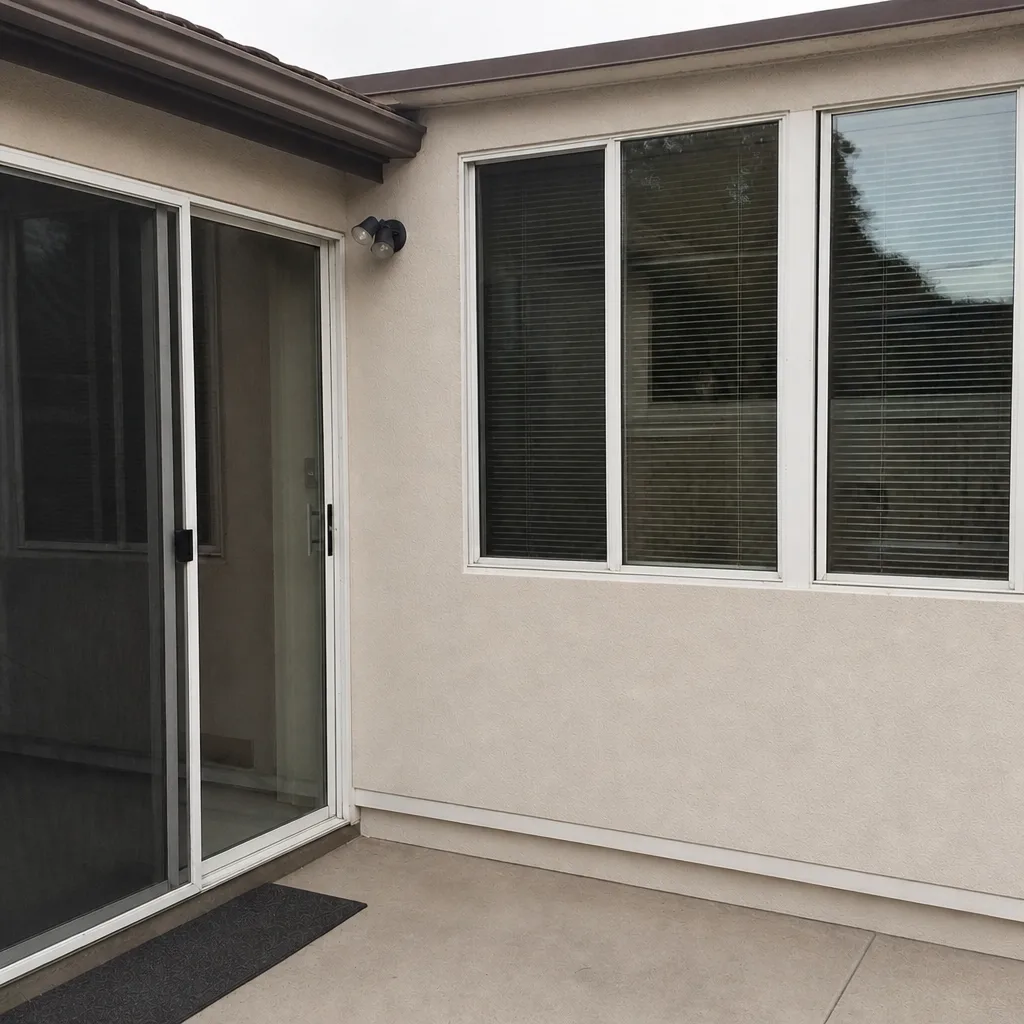 After
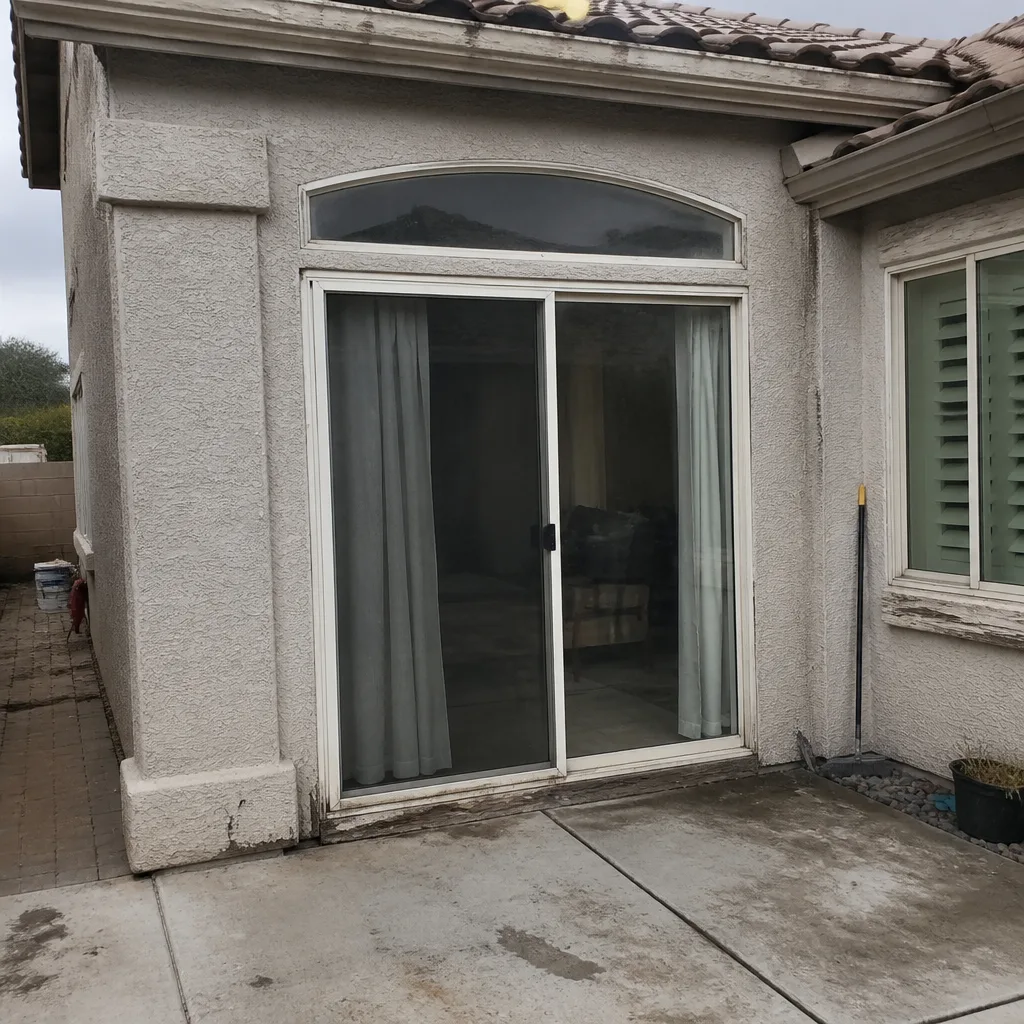 Before
 After
 Before
 After